What is an above-joist deck drainage system?
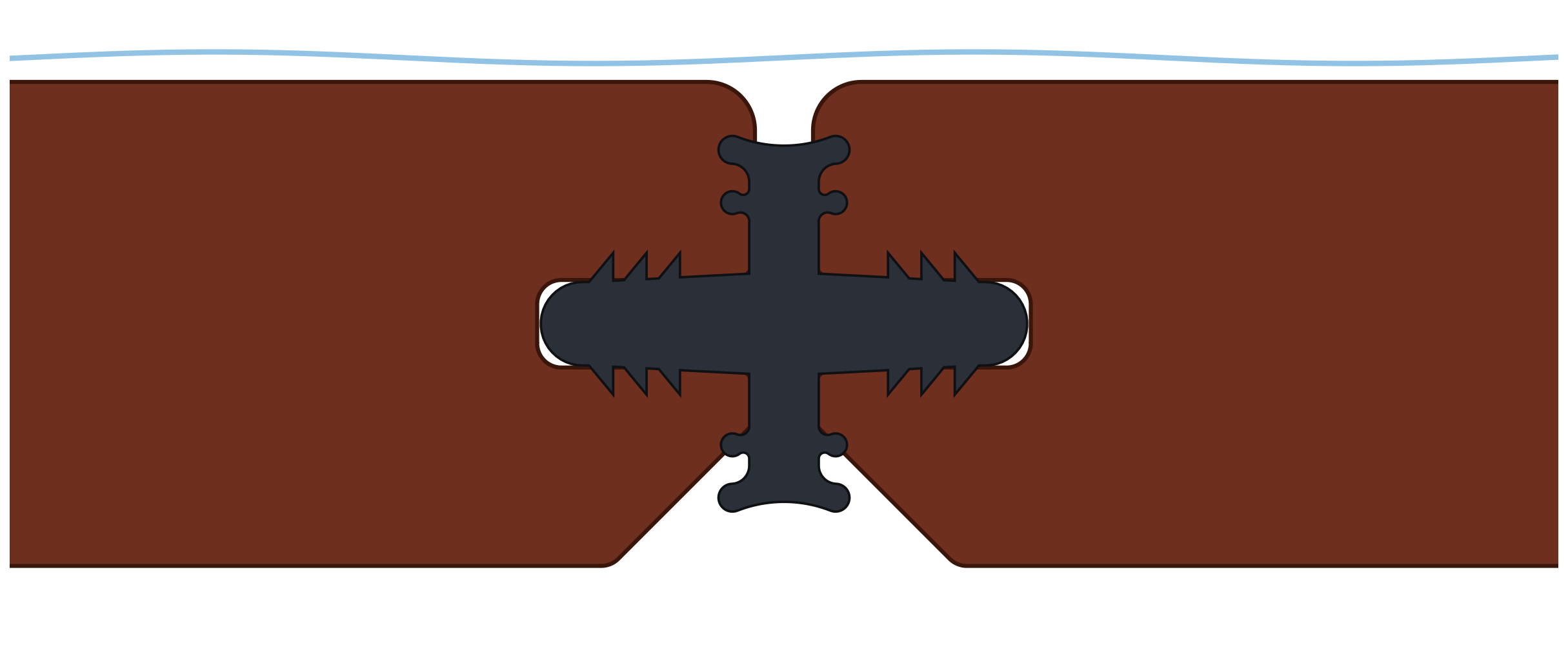
An above-joist deck drainage system is a waterproofing assembly where the watertight layer is built into the deck surface itself. The drainage layer sits on top of the joists, between every deck board, instead of being hung underneath the framing as a separate accessory. When rain hits the deck, water never makes it past the surface. It is shed off the front and sides of the deck like water on the roof of a house.
The AmeriDex system is the integrated above-joist deck drainage system. Cellular PVC deck boards lock onto the Dexerdry seal, an automotive-grade TPE gasket that ships between every board. The result is one continuous, finished surface that diverts 100% of the rain off the deck. The space under the deck stays dry, the joists stay dry, and the fasteners stay dry.
Why above-joist drainage protects the structure
Standard wood and most composite deck boards leave a small gap between every board. That gap is intentional. It lets water drain off the surface so the boards do not stay wet. The trade-off is that every drop of rain that lands on the deck falls through those gaps onto the joists and beams below. Wood framing then dries slowly because it is shaded by the deck surface above. Over years, that wet-dry cycle is what causes joist rot, ledger failure, and fastener corrosion.
An above-joist drainage system removes that wet-dry cycle from the framing entirely. The water-diverting seal between the boards closes the gap. Rain hits the deck, runs across the surface, and is shed off the edge, the same way water runs off a metal or shingle roof. The structure underneath never gets wet, so it never has to dry out, which is why the framing in an integrated above-joist deck stays sound for the life of the structure.
The integrated AmeriDex system: board plus seal
An above-joist drainage system is only as good as the connection between the board and the seal. AmeriDex solves that with a tongue-and-groove board profile that locks mechanically onto the Dexerdry TPE seal. The boards do not just sit on top of a flashing tape or membrane. They engage the seal as part of the install, so there is no field-applied caulking or sealant to fail.
- Boards: Cellular PVC with a proprietary ASA cap. They will not rot, splinter, or warp, they hold a Class A flame spread rating under ASTM E84, and they ship in 12 ft, 16 ft, and 20 ft lengths in seven colors. Custom lengths are available on request for projects with non-standard runs.
- Seal: Dexerdry, an automotive-grade TPE (thermoplastic elastomer) gasket. The same material category used in car door and window seals. It is engineered to flex through years of thermal cycling without cracking or losing its watertight fit.
- Substructure: Conventional 16 inches on-center joist layout for residential applications. No special sub-framing, sleepers, or pitch tray is required.
- Fasteners: Starborn epoxy-coated screws or stainless screws and plugs.
- Warranty: 25-Year Residential Limited / 10-Year Limited Commercial.
Above-joist vs below-joist drainage at a glance
Above-joist and below-joist drainage solve the same homeowner goal, a dry space under the deck, with completely different engineering. The short version is that above-joist systems are built into a new deck from the joists up, and below-joist systems are added to an existing deck from underneath after the boards are already in place. The full comparison page walks through framing impact, installation labor, long-term maintenance, and aesthetic finish in detail.
The headline difference is what happens to the framing. Above-joist systems keep the joists dry. Below-joist systems do not. Below-joist drainage relies on a tray, panel, or membrane hung beneath the joists to catch water that has already fallen through the deck surface. The framing gets wet on every storm. Over the life of the deck, that is the difference between a structure that stays sound and a structure that has to be inspected for rot.
Why above-joist drainage is the right call for new construction
If you are building a deck from scratch, you are already setting joists. Adding an integrated above-joist system at that stage is a single-trade install. The deck builder lays joists, drops in the seal, and screws down the boards. There is no second trade hanging panels underneath, no separate downspout system, no inspection ports cut into a finished tray ceiling. The system is also invisible from below because there is nothing hanging from the joists. Builders can finish the underside however the homeowner wants, including beadboard, T&G, drywall, or a fully open ceiling, because the framing is dry.
For homeowners, the long-term math is straightforward. The space under the deck becomes a real, all-weather room. The structure does not need to be inspected for hidden water damage every spring. The under-deck ceiling stays clean and consistent because nothing is staining through from above. And because AmeriDex carries a 25-year residential limited warranty on the deck board system, the surface that does the waterproofing is also the surface that is warranted.
When above-joist drainage is not the right fit
AmeriDex is for new deck construction only. The Dexerdry seal has to be placed between every board as the deck is built, so the system cannot be retrofitted onto a deck that already exists without first removing the existing boards. If you have a finished deck and you do not want to tear up the surface, a below-joist retrofit system is the only option. It will keep the patio space below dry, but the framing will get wet on every storm. That is the unavoidable trade-off of any retrofit drainage assembly.
How to specify AmeriDex on a new build
Specifying AmeriDex on a new deck is a three step process. First, request free samples to see all seven PVC colors in person. Second, share your project dimensions through the free quote form so a regional dealer can return a written quote with board count, accessories, and lead time. Third, after install, register the warranty in minutes to activate the 25-year residential coverage. Builders working in commercial or multifamily applications should reach the AmeriDex team directly through the contact page for project takeoffs.