
The color of your deck boards is the single biggest visual decision in the project. It covers more square footage than your siding trim, it sits at eye level from every window, and it stays with the house for decades. Picking the right AmeriDex color is not about chasing a trend, it is about reading what your house already wears, and choosing a board that looks like it has always belonged there.
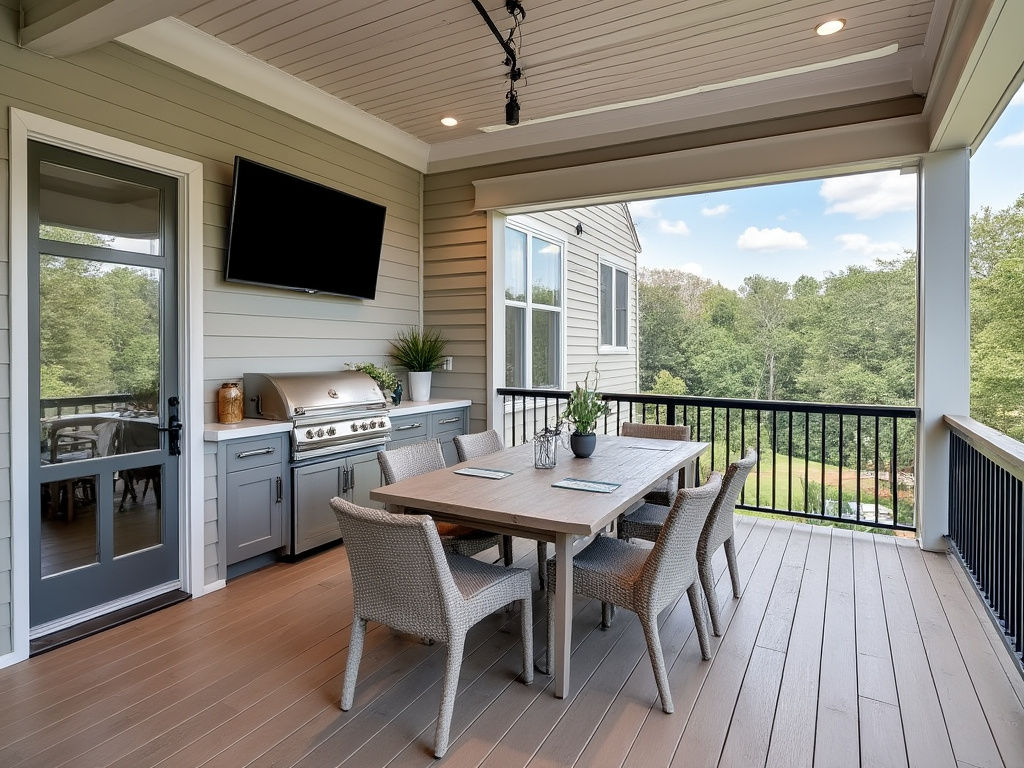
Order free physical samples and view them in three lighting conditions: morning sun, midday glare, and overcast. Screen images and showroom lighting can shift a color by an entire tone.
The two AmeriDex color families
Every AmeriDex board is cellular PVC with an ASA cap, so the color you see is locked into a UV-stable surface that will not gray out or peel. Within that lineup there are two families: solid and variegated. The choice between them matters more than the specific color name.
Solid colors carry one consistent tone across every board. The deck reads as a single, calm plane. Solids suit modern and transitional homes, decks that have a lot of furniture and planters on them, and anyone who wants the floor to be a quiet background to the rest of the yard. The three AmeriDex solids are Driftwood, Khaki, and Slate.
Variegated colors blend two or three tones along the length of each board, mimicking the streaking found in real hardwood. The deck reads as warmer and more textured, and small scuffs disappear into the pattern. Variegated boards suit traditional, craftsman, farmhouse, and rustic homes, and they hide leaf debris and pollen between cleanings. The four AmeriDex variegated colors are Beachwood, Chestnut, Redwood, and Hazelnut.
The seven AmeriDex colors at a glance
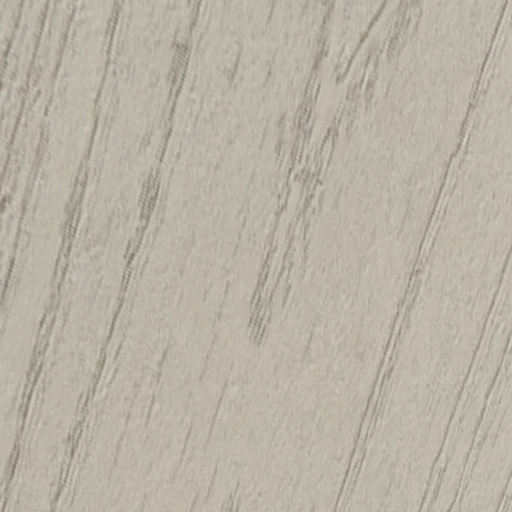
Driftwood
A weathered, soft gray-brown. Reads coastal and modern. Pairs with white, light gray, and natural shingle siding.
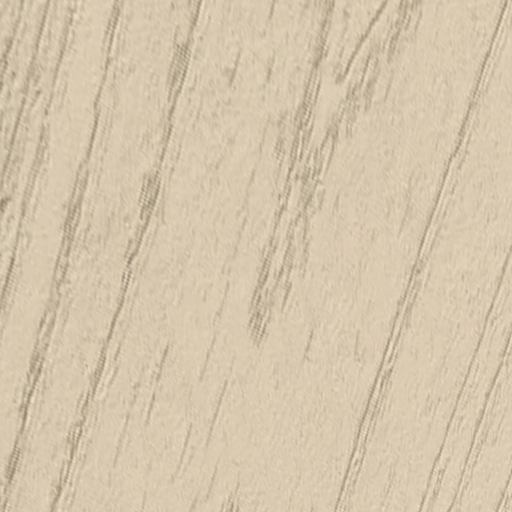
Khaki
A warm tan with a slight beige undertone. The most flexible solid in the lineup. Works with brick, stucco, cedar shake, and most siding colors.

Slate
A deep, cool charcoal gray. The strongest modern statement. Looks best with white trim, dark window frames, and contemporary architecture.
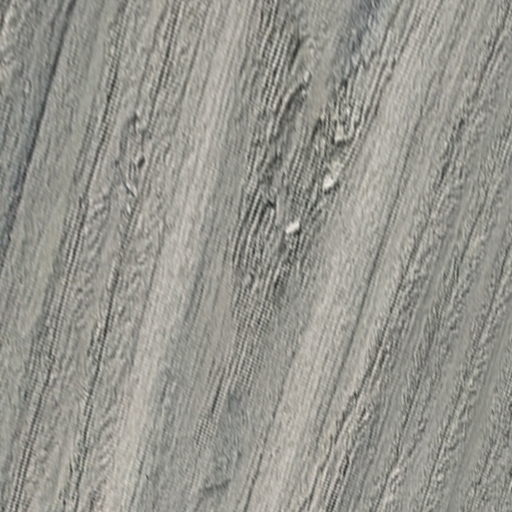
Beachwood
Soft sandy tans streaked with warm grays. Reads coastal and relaxed, the variegated cousin of Driftwood. Excellent over a pool or near water.
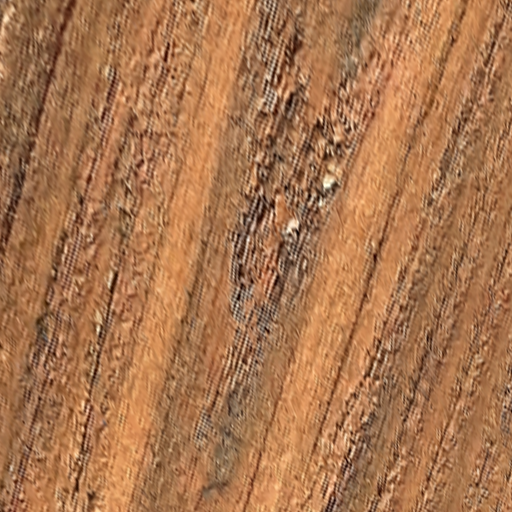
Chestnut
Rich medium brown with darker streaks. The classic traditional deck color. Pairs with red brick, beige siding, and most stained railings.
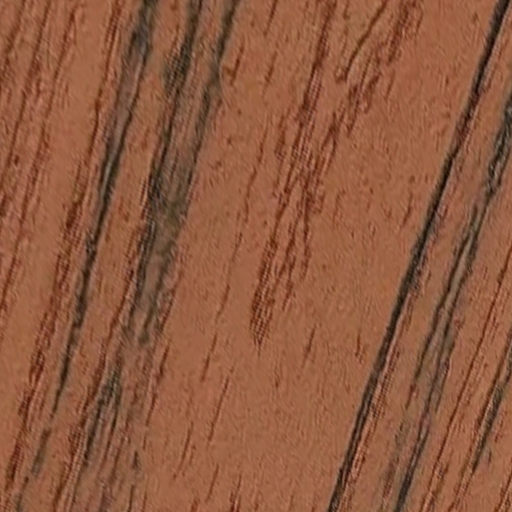
Redwood
Warm reddish-brown with cinnamon and mahogany highlights. The premium hardwood look without the maintenance. Strong with white or cream siding.
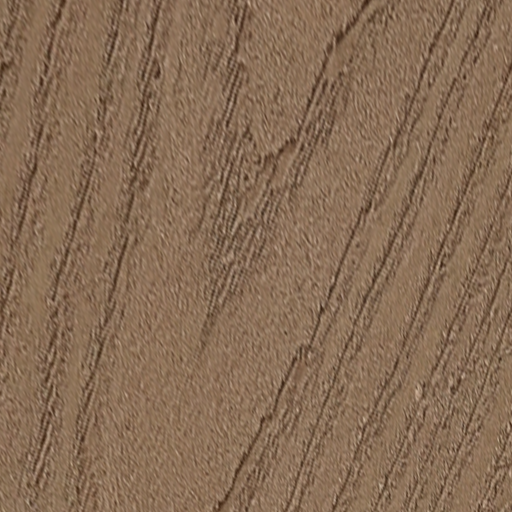
Hazelnut
Light golden brown with cream undertones. The softest, warmest variegated. Excellent on shaded decks where you want the surface to feel brighter.
Match the color to what your house already wears
Most color regrets come from picking a board in isolation. The deck is going to be looked at while it sits next to siding, brick, stone, a roof, and a railing. The fastest way to narrow down to two or three contenders is to start with the dominant exterior material on your house and work from there.
| If your house has... | Strong AmeriDex pairings | Why it works |
|---|---|---|
| White or light gray siding | Slate, Redwood, Chestnut | High contrast makes the deck read as an intentional design feature, not an afterthought. |
| Cedar shake or natural wood siding | Driftwood, Beachwood, Khaki | Echoes the weathered, organic palette without competing with the shingle texture. |
| Red brick | Chestnut, Hazelnut, Khaki | Brown and tan families bridge brick warmth without clashing with the red. |
| Tan, beige, or stucco siding | Chestnut, Redwood, Slate | You need a deck with enough depth to anchor a light wall. Mid and dark tones do that work. |
| Dark or black trim, modern build | Slate, Driftwood | Cool, solid tones complete a contemporary palette. Variegated browns can fight the architecture. |
| Farmhouse or craftsman style | Chestnut, Redwood, Hazelnut | The variegation reads as authentic wood, which is the entire visual language of the style. |
Consider sun, shade, and how the deck will be used
Color does not behave the same on every deck. Two factors push the decision more than people expect: how much direct sun the deck gets, and how much foot traffic the surface will see.
- Full sun, southern exposure. Dark colors like Slate and Redwood absorb more heat. They will be warmer underfoot in July. If a barefoot pool deck is the goal, lean toward Driftwood, Khaki, Beachwood, or Hazelnut.
- Shaded or north-facing decks. Lighter colors keep the space feeling open and bright. Hazelnut and Beachwood lift a shady deck without making it feel washed out.
- High-traffic entertaining decks. Variegated colors hide leaf scuffs, pollen lines, and minor staining between cleanings. Solids show a footprint of grime more readily, but they reward owners who hose the deck off regularly.
- Decks with a finished space below. If the under-deck space is going to be a real outdoor room, think about the ceiling color too. A lighter deck above means a brighter, more inviting ceiling underneath.
How AmeriDex protects whatever color you pick
The reason AmeriDex colors hold up is the system underneath them. Every board has a UV-stable ASA cap, the same chemistry used on the most demanding exterior automotive parts, fused to a cellular PVC core. The cap is what defeats sun fade and surface chalking. The PVC core is what makes the board immune to rot, insects, and water absorption, even after twenty-five years of sitting outdoors.
Just as importantly, the boards lock onto the Dexerdry seal during installation, so rain that lands on the surface is diverted off the deck instead of soaking into the joists. The boards stay dimensionally stable because they stay dry, and the color you chose at the showroom is still the color you see in year fifteen. For the full story on how the system stops top-down rot, see why decks rot from the top down.
Pick the color in three lights, against your siding, with a real sample in your hand. The deck has to live with the house for the next twenty-five years.
A four-step decision process
- Step 1. Decide solid or variegated based on architectural style. Modern and transitional houses lean solid. Traditional, craftsman, and farmhouse lean variegated.
- Step 2. Identify the dominant exterior material on your house and use the pairing table above to narrow to two or three colors.
- Step 3. Request free samples of every shortlisted color. Hold them against the siding, the trim, and the roof, in morning, midday, and overcast light.
- Step 4. Look at the deck location. If it bakes in full sun and you walk it barefoot, weight the lighter tones. If it sits in shade, weight the warmer ones. The full gallery shows installed decks in each color, in context.
Once you have your color, start a free quote with your dimensions and a regional dealer will return board counts, accessories, and lead time, usually within a business day or two.